The global explosion of Brazilian Jiu-Jitsu (BJJ): why everyone is taking it up
Over the past decade, Brazilian Jiu-Jitsu (BJJ) has seen spectacular growth around the world. Long a niche discipline reserved for insiders, it has become one of the most widely practiced martial arts, alongside MMA, judo and karate.
But how do we explain this BJJ explosion? Why does it attract so many practitioners, from beginners to professional athletes?
A look at a global phenomenon.
Impressive worldwide growth
BJJ has gone from a niche martial art to a global discipline.
A few striking trends:
An explosion in the number of academies worldwide
Strong growth in Europe (France, Spain, UK)
Massive development in the United States and Latin America
Growing popularity in Asia (notably Japan and Korea)
Today, you can find a BJJ club in almost every major city in the world.
The MMA effect: a major accelerator
One of the main drivers of this growth is, without a doubt, MMA.
BJJ was put in the spotlight from the early days of the UFC with fighters like Royce Gracie, who demonstrated the effectiveness of ground fighting against bigger, stronger opponents.
The result:
BJJ became an essential foundation for MMA fighters
Practitioners want to learn a “realistic” discipline
BJJ’s image is associated with effectiveness and strategy
A discipline accessible to everyone
Unlike other combat sports, BJJ attracts a very broad audience.
Why?
1. Less reliant on strength
BJJ is based on:
technique
leverage
timing
This allows people of all sizes to train together.
2. Low risk of serious injury
Compared to boxing or MMA:
few strikes
controlled ground work
the option to tap out
3. Visible progression
With its belt system, BJJ offers:
clear goals
constant motivation
recognition of one’s level
A strong, community-driven culture
BJJ isn’t just a sport: it’s a true culture.
You’ll find:
a spirit of mutual support
strong camaraderie
a mindset of continuous improvement
Practitioners often speak of a “family” rather than a simple club.
The impact of social media and online content
Digital has played a huge role in the BJJ explosion.
Today:
thousands of techniques are available on YouTube
competitions are streamed online
athletes build their audience on Instagram
The result:
👉 BJJ has become visible, accessible and aspirational.
A discipline that is increasingly structured
As it grows, BJJ is becoming more professional:
international competitions (IBJJF, ADCC)
the development of no-gi
monetization of academies
structuring of clubs and organizations
This creates a complete ecosystem around the sport.
The boom in France
France is one of the countries where growth is strongest.
We are seeing:
a steady increase in the number of licensed practitioners
new academies opening every year
growing interest among young people
BJJ is also becoming part of hybrid structures:
MMA clubs
fitness studios
multi-discipline martial arts centers
Why BJJ will keep exploding
Several factors suggest growth isn’t about to stop:
a discipline suited to the general public
a strong connection to MMA
a gradual, accessible learning curve
strong virality on social media
a viable business model for clubs
Conclusion
Brazilian Jiu-Jitsu is much more than a trend: it’s a lasting transformation of the martial arts landscape.
Accessible, effective and deeply human, it perfectly meets the expectations of modern practitioners.
👉 And this is probably only the beginning.
Related articles
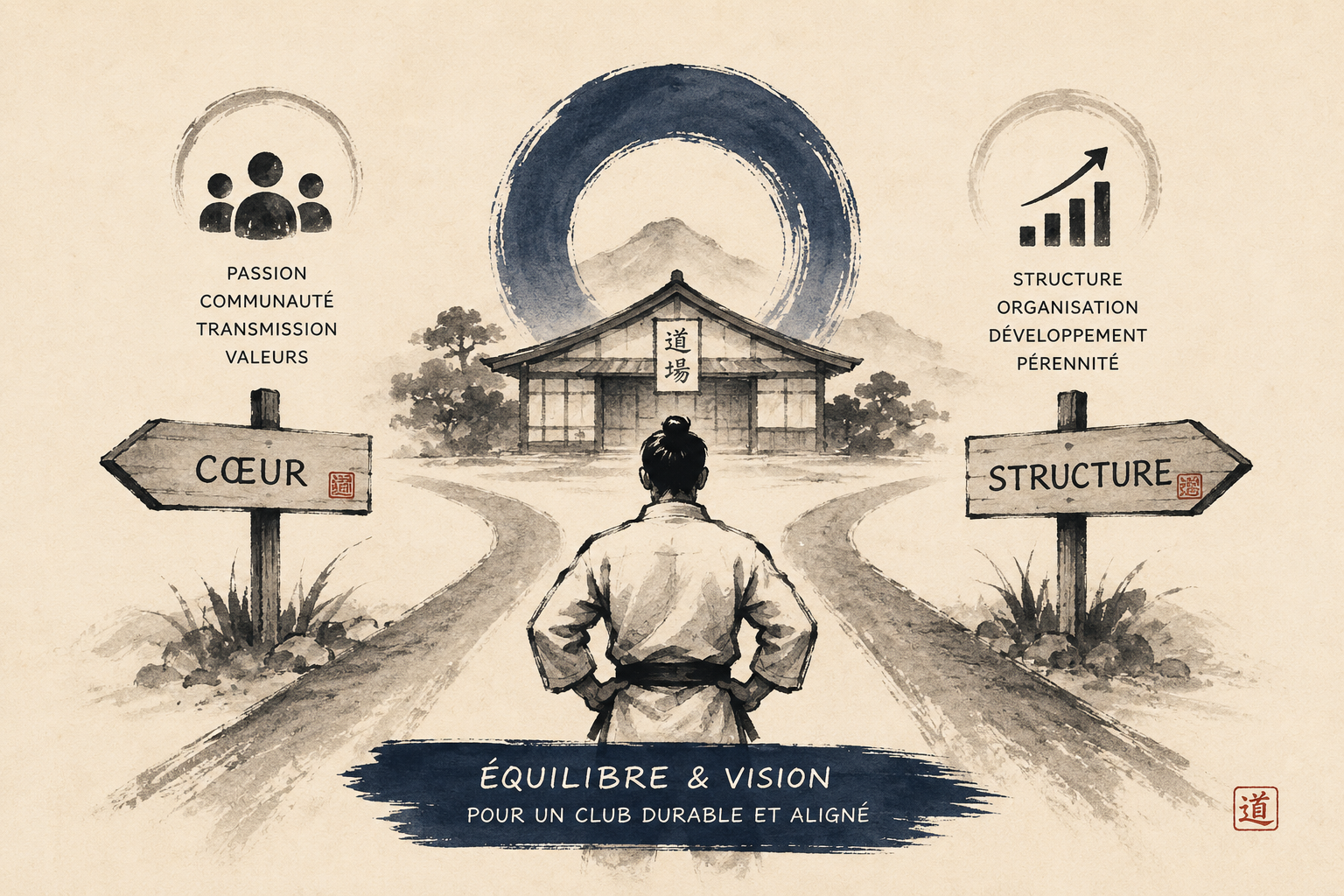
Professionalizing your club without losing its soul
For a long time, many martial arts clubs ran almost entirely on passion. A municipal hall, a few slots lent by the town, dedicated volunteers, and above all a desire to pass on knowledge. But over time, expectations evolve.
Read article →

The professionalization of BJJ: why clubs must also structure their management
Brazilian Jiu-Jitsu long kept the image of a discipline for enthusiasts: mats, a tight-knit team, a committed instructor, a strong culture and progression built over several years.
Read article →
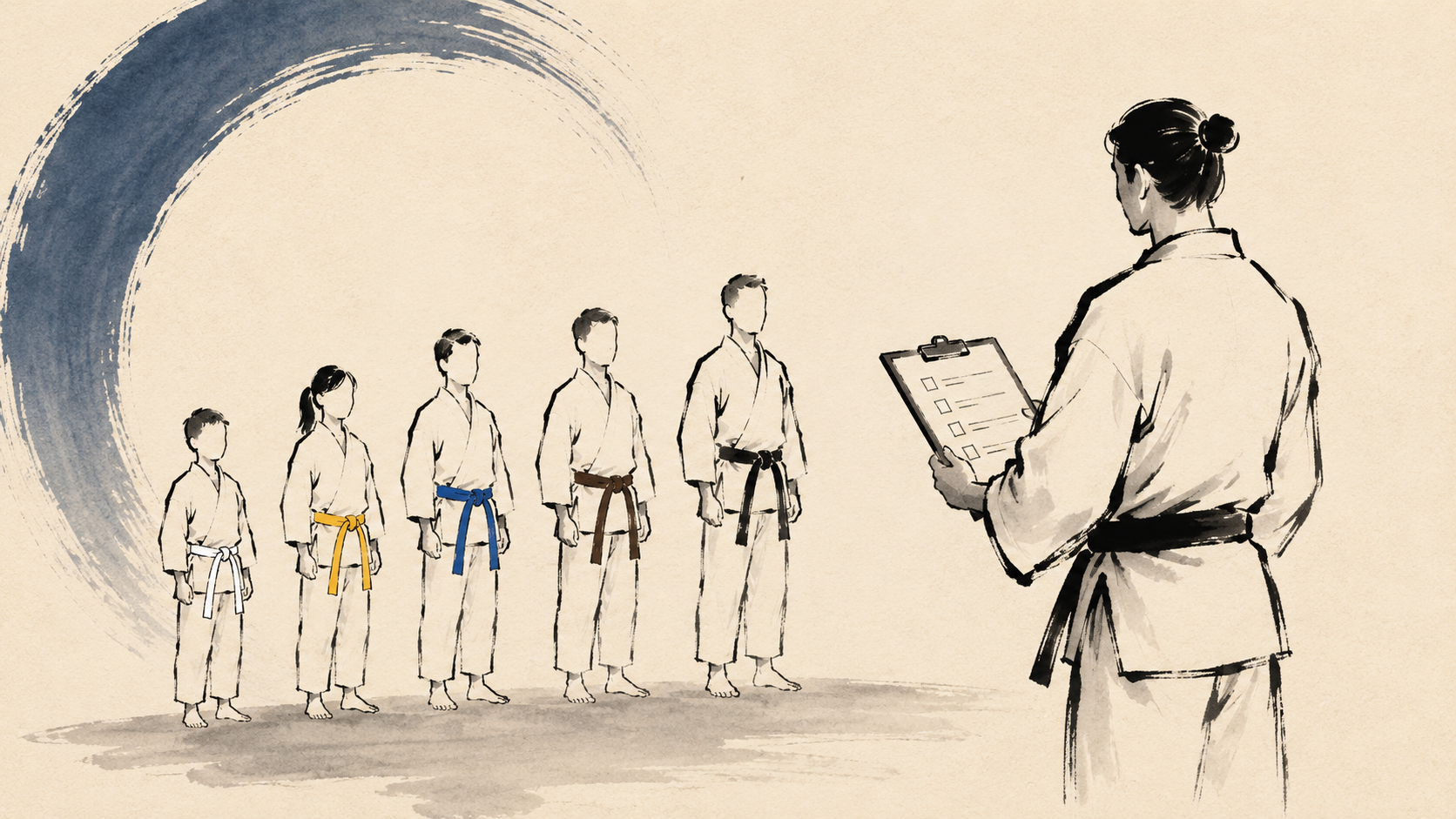
How to organize belt gradings effectively in a martial arts club
Belt gradings are among the most important moments in the life of a martial arts or combat sports club. Whether you practice judo, karate, taekwondo, aikido, Brazilian jiu-jitsu, kung fu, krav maga, kickboxing or any other discipline, a rank represents far more than a simple belt, level or color.
Read article →